Where to Stay in Bangkok
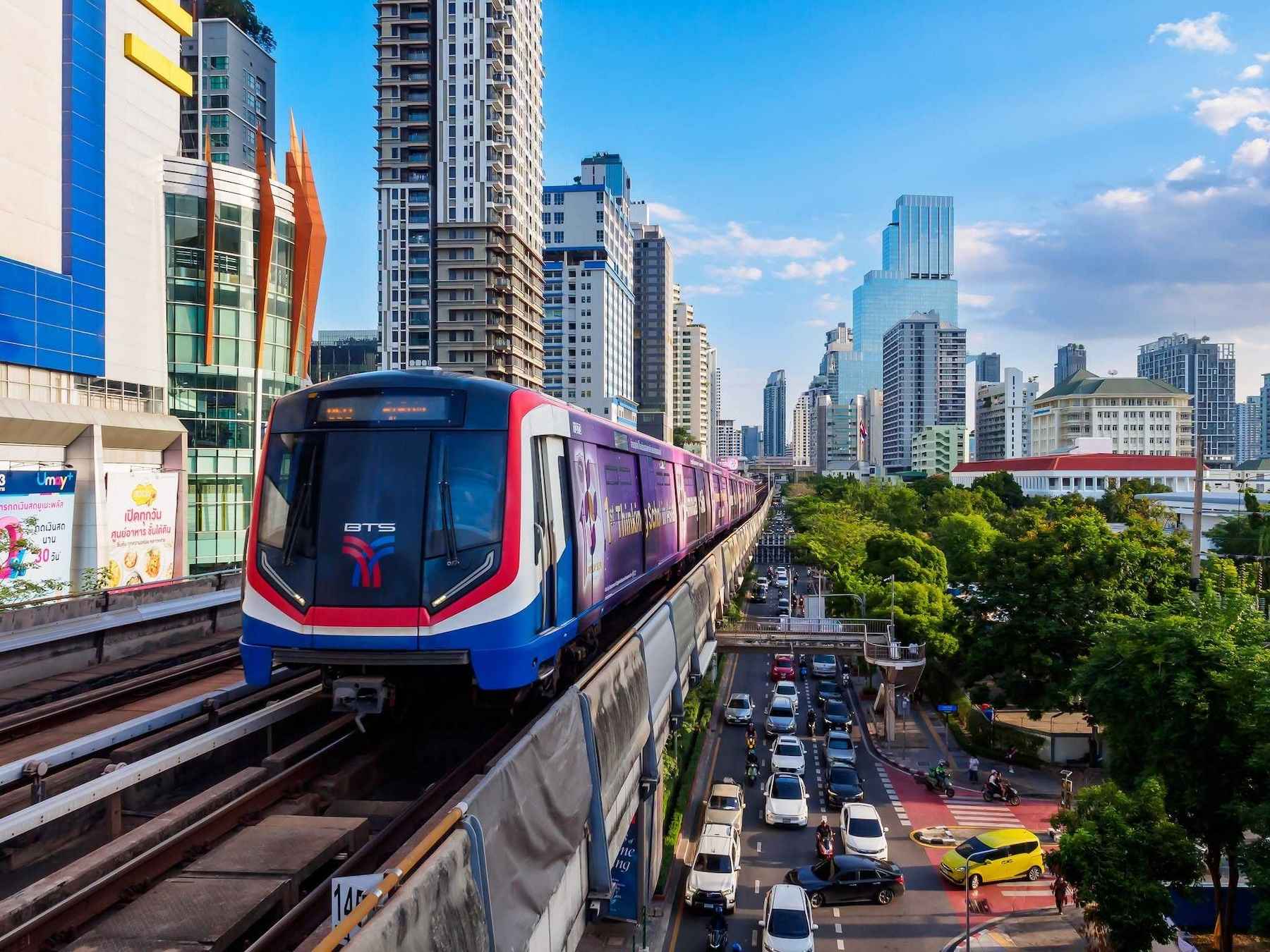
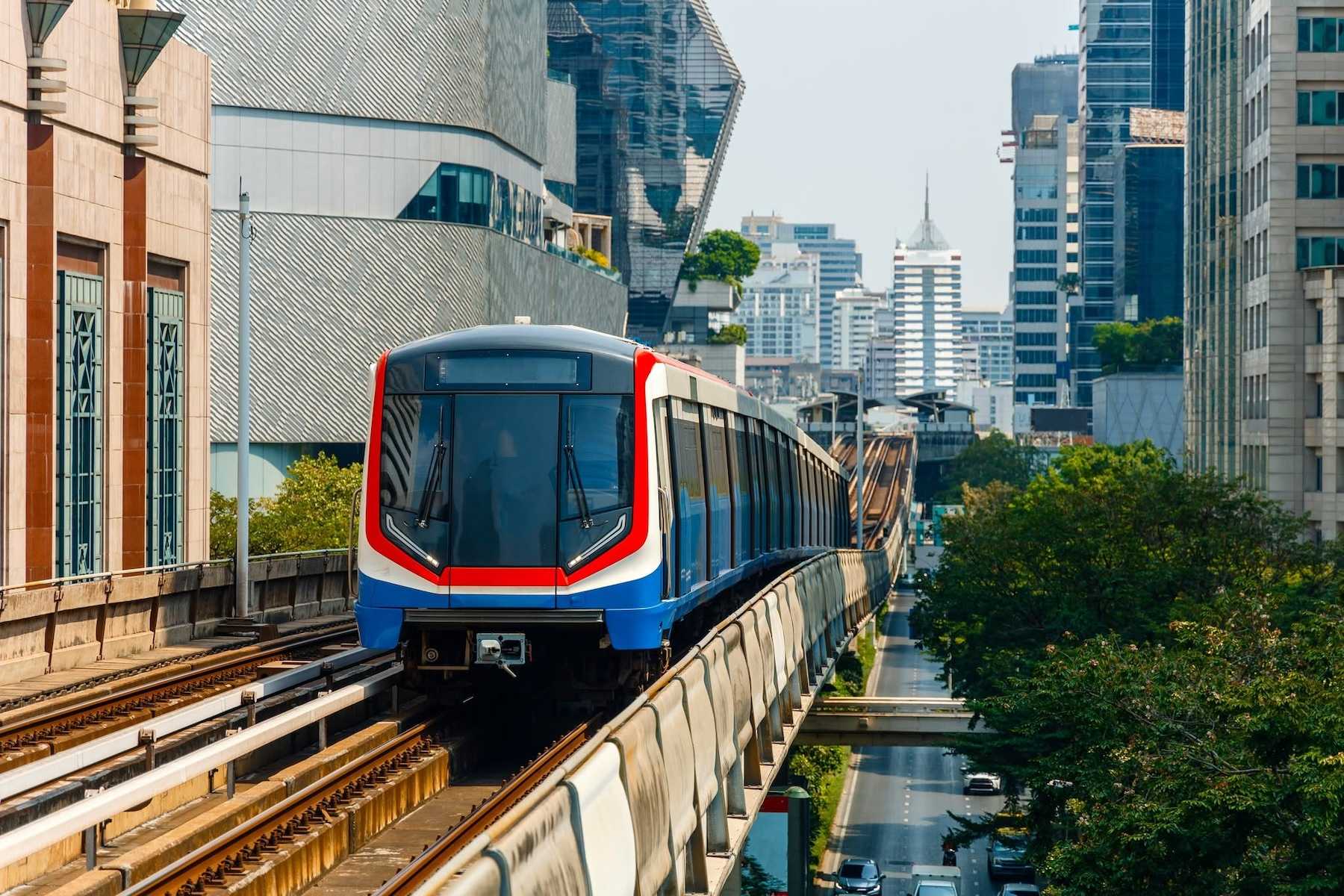
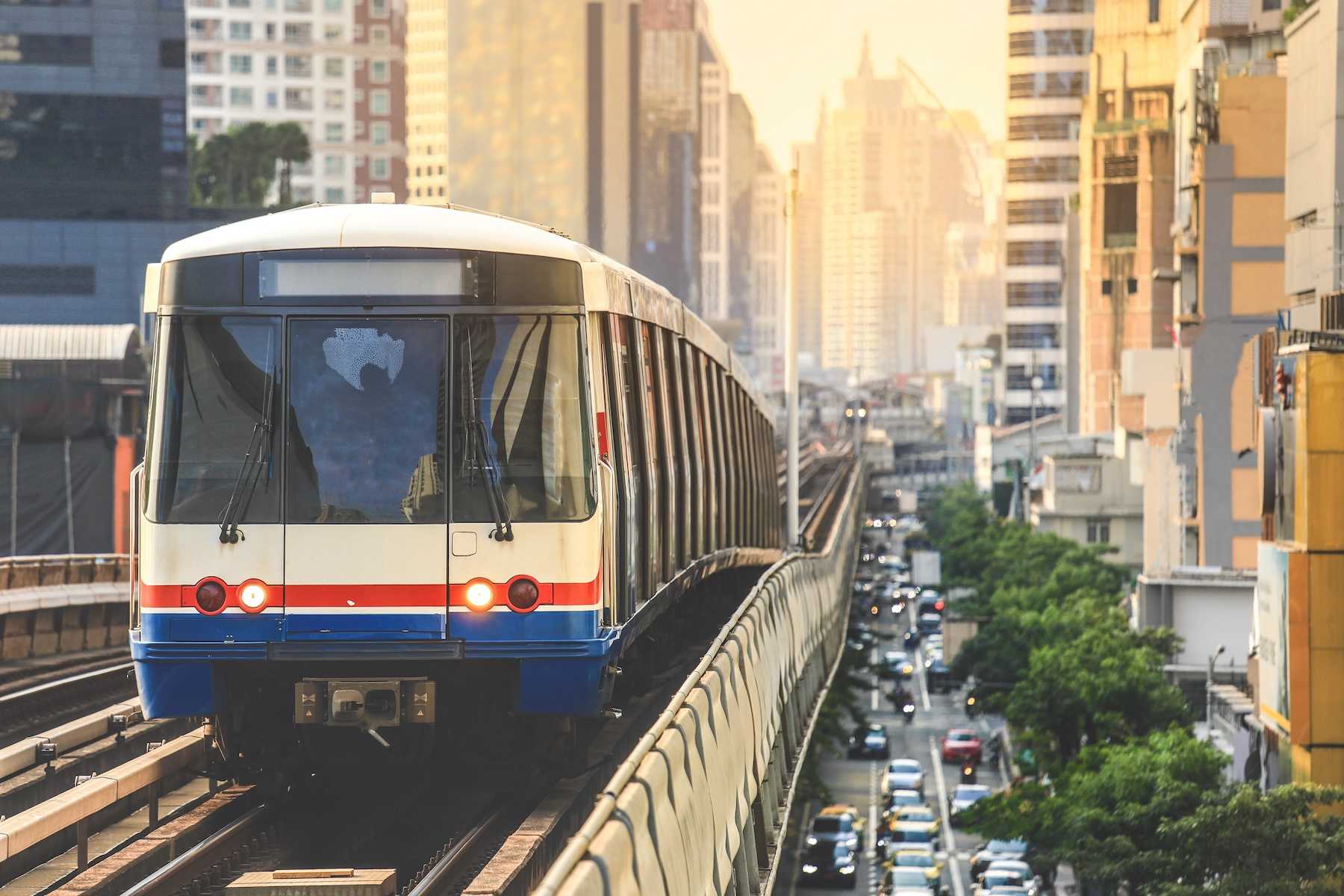
Deciding where to stay in Bangkok matters more than in most cities, because traffic can turn a three-kilometre journey into forty minutes. The practical question is not which area is prettiest but which one puts you on the rail network, since the BTS and MRT are the only transport in Bangkok that runs to a timetable you can rely on.
This guide compares the main areas on that basis: how easy they are to move around from, what sits within walking distance, and who each one suits.
Siam and Ratchathewi
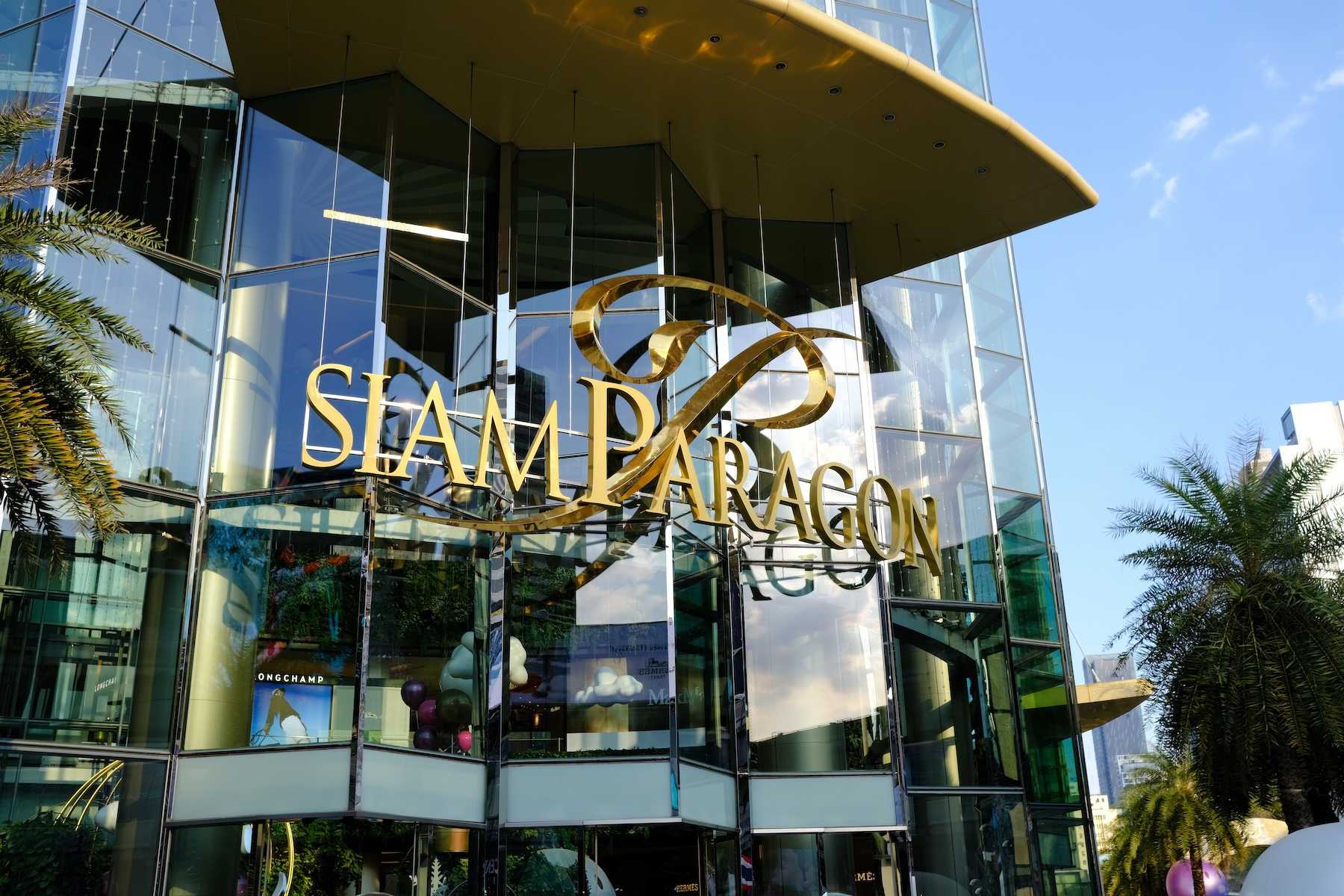
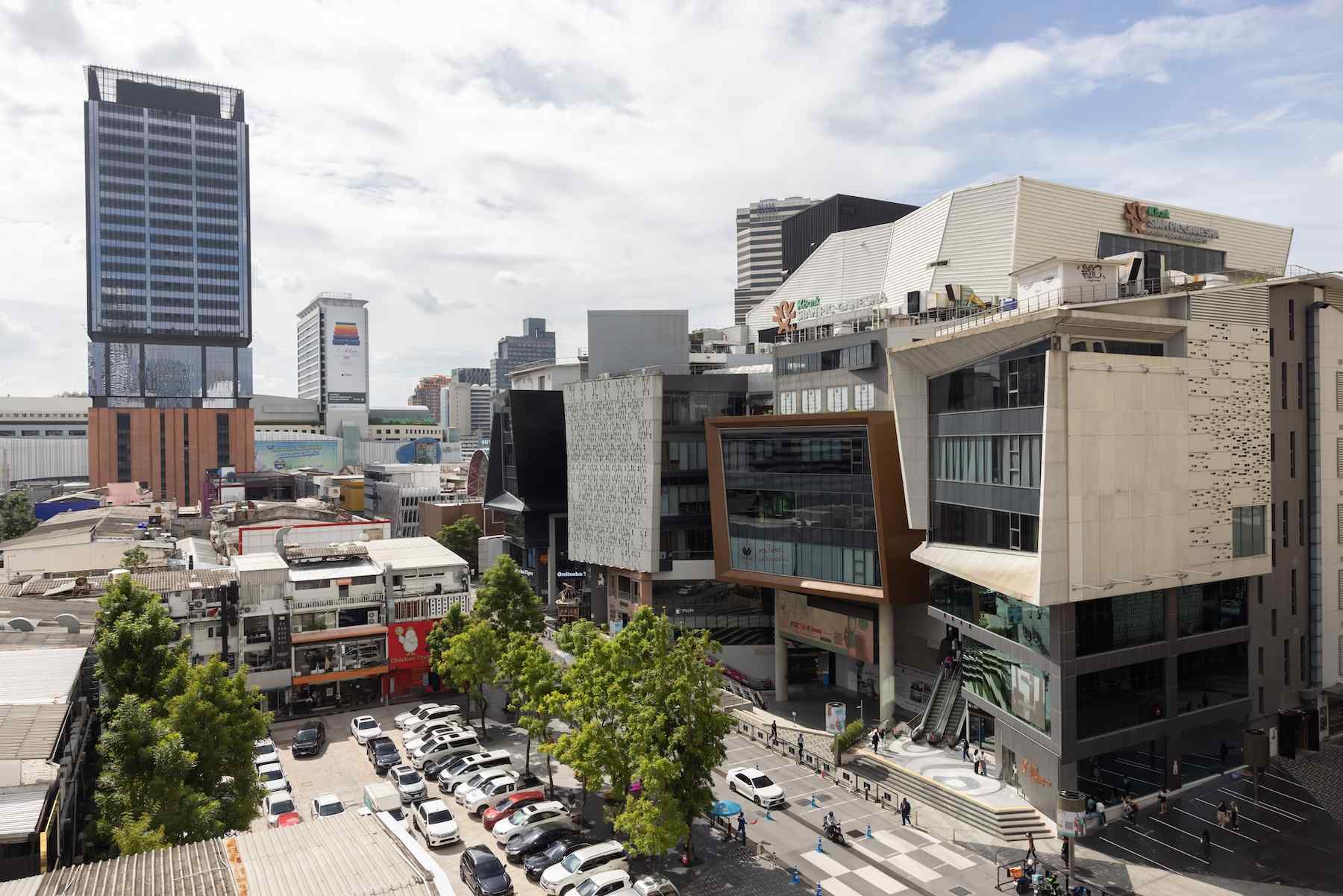
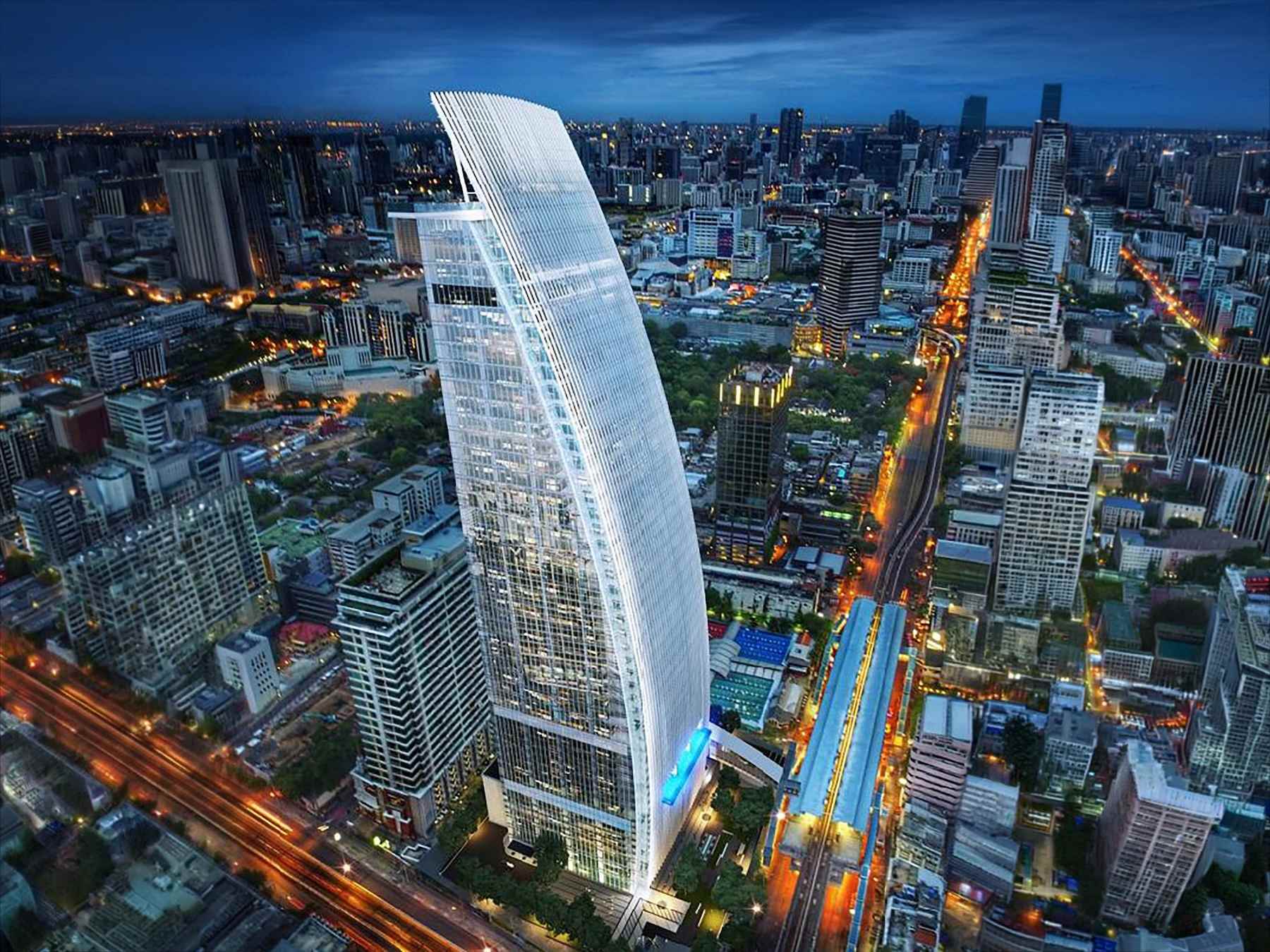
Siam is the centre of the rail network. It is where the BTS Sukhumvit and Silom lines meet, which means a single change reaches almost anywhere a visitor wants to go. The area holds the largest concentration of shopping in the city, and the elevated walkways connect most of it without touching street level.
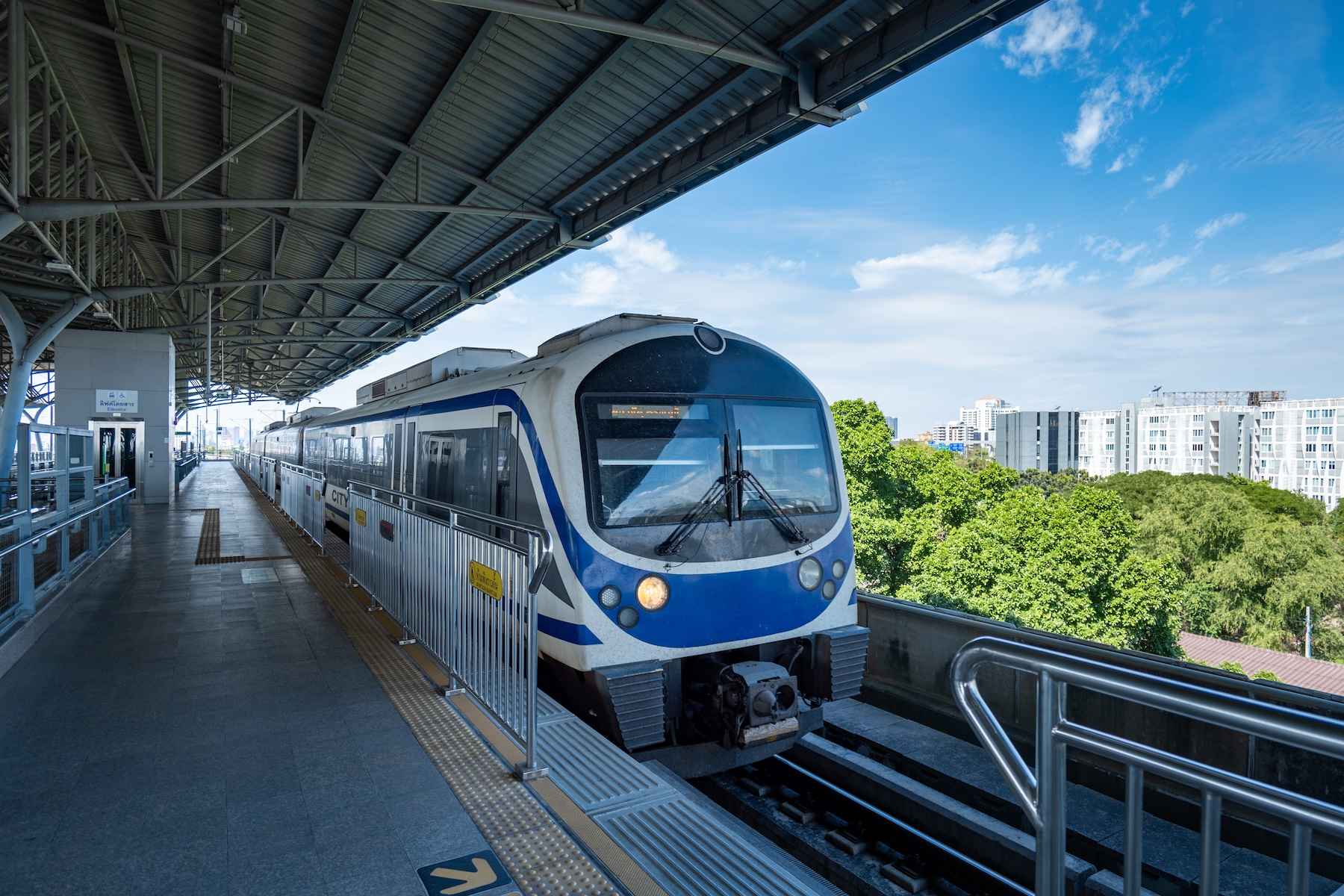
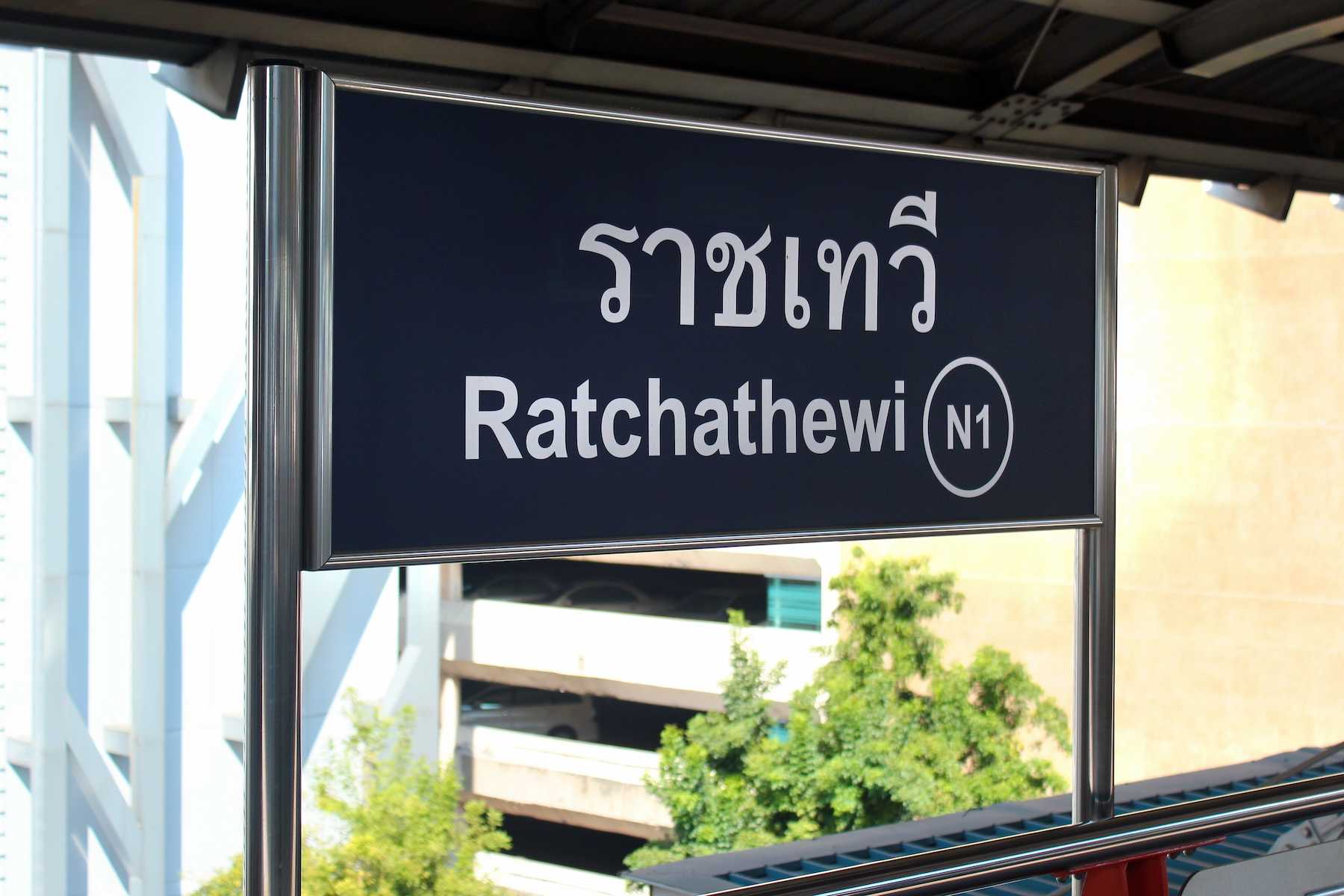
Ratchathewi sits one stop north of Siam and is the quieter side of the same district. It keeps the three-minute connection to the Siam malls while putting Phaya Thai and the Airport Rail Link one stop in the other direction, so Suvarnabhumi is roughly thirty minutes away on rail the whole way with a single change.
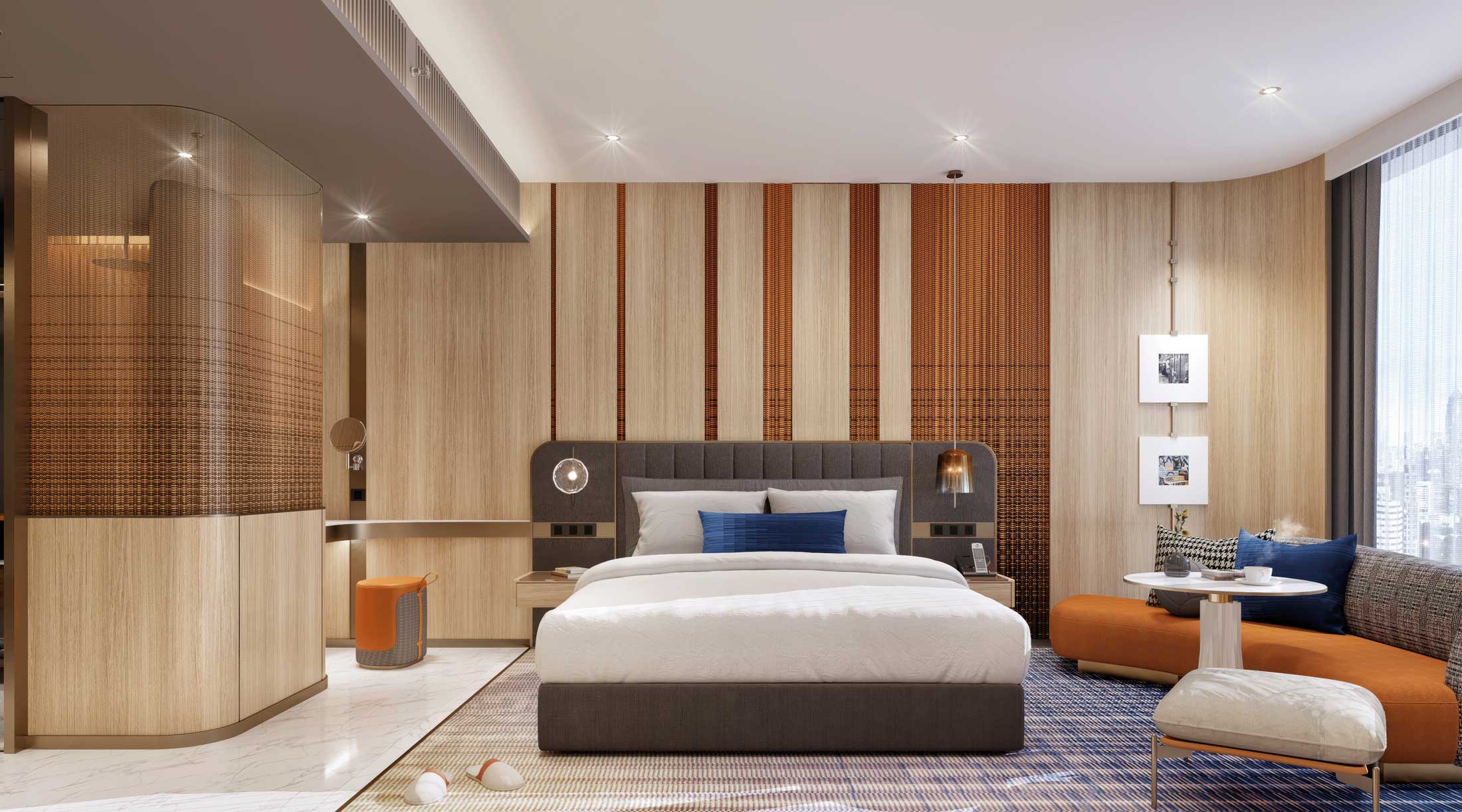
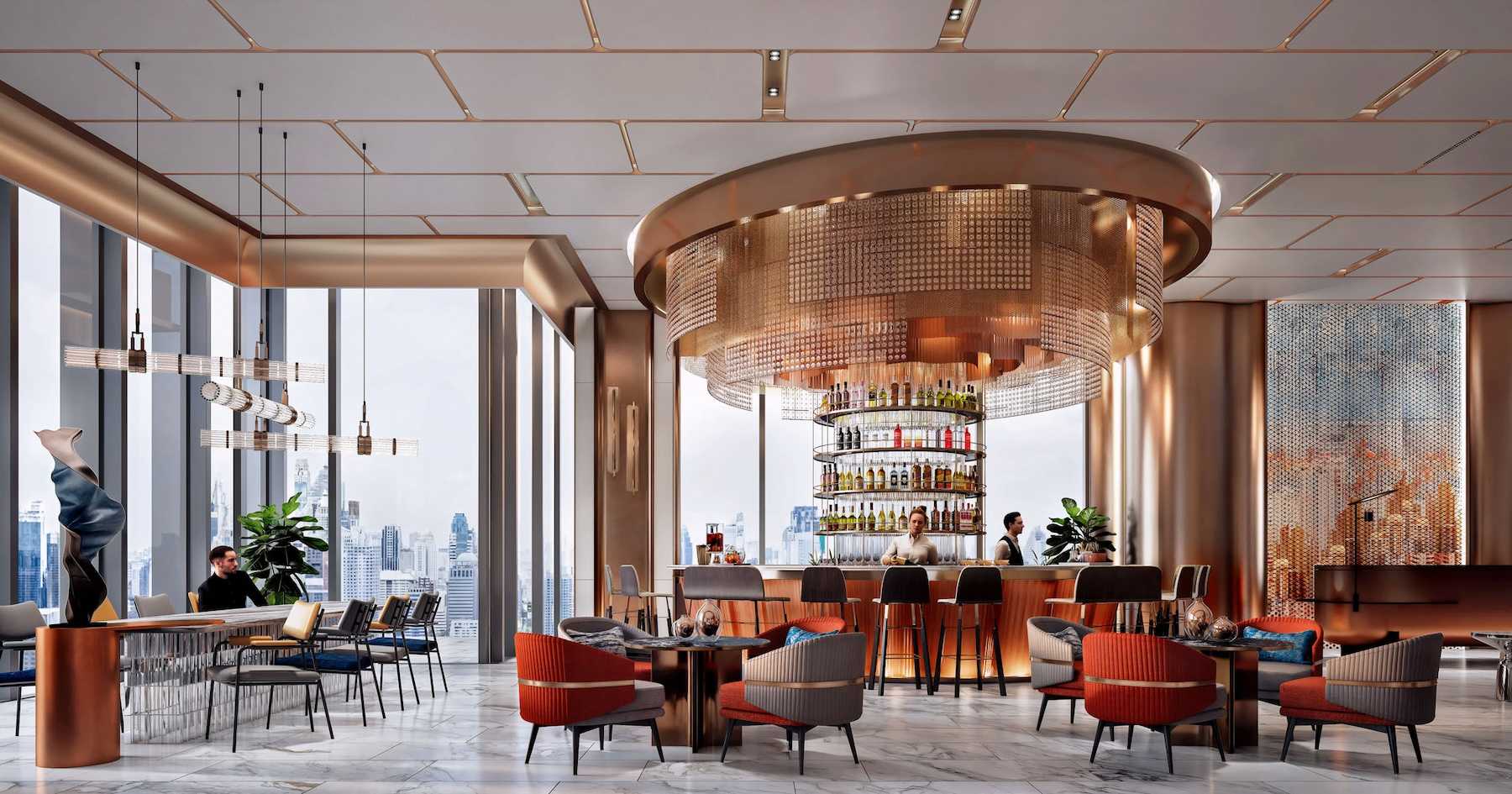
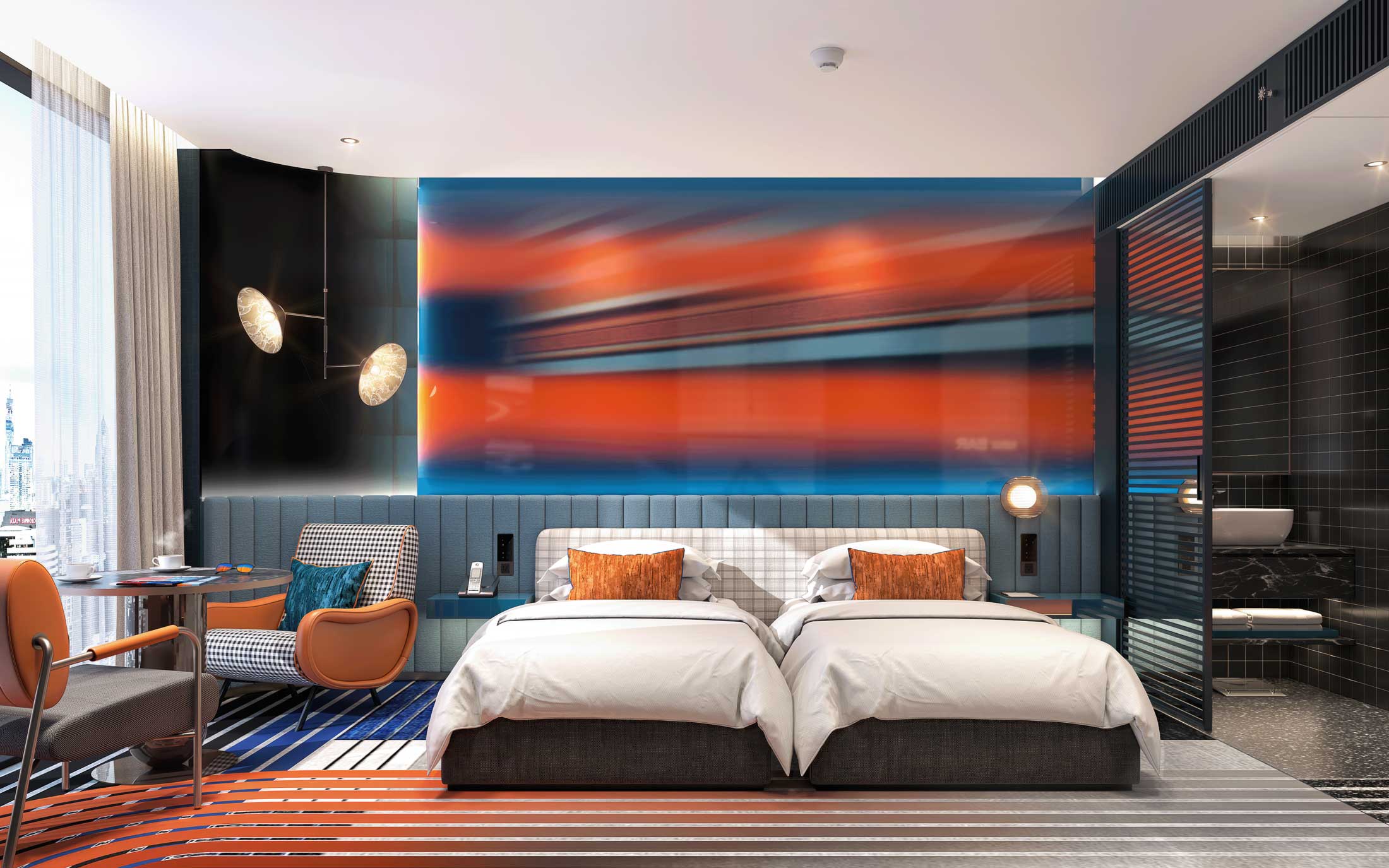
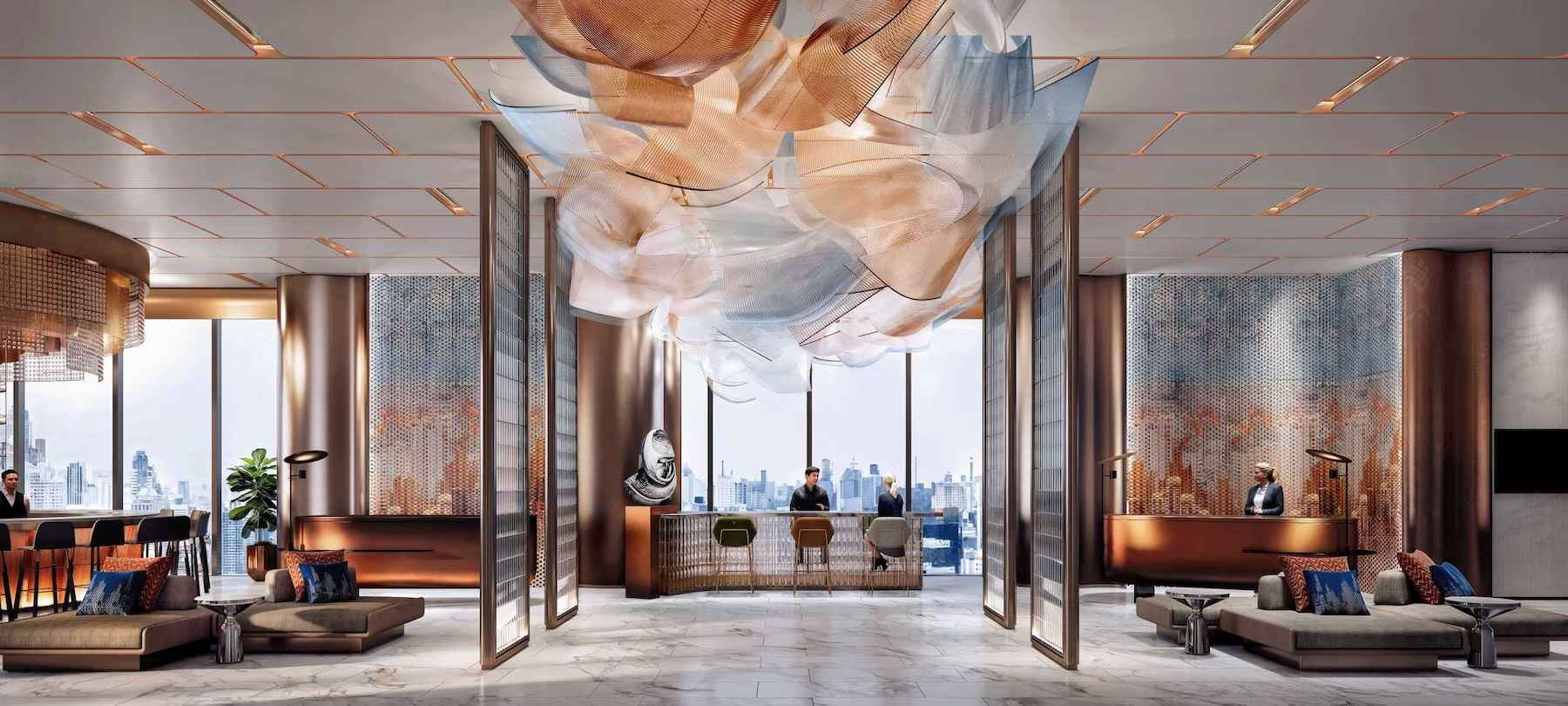
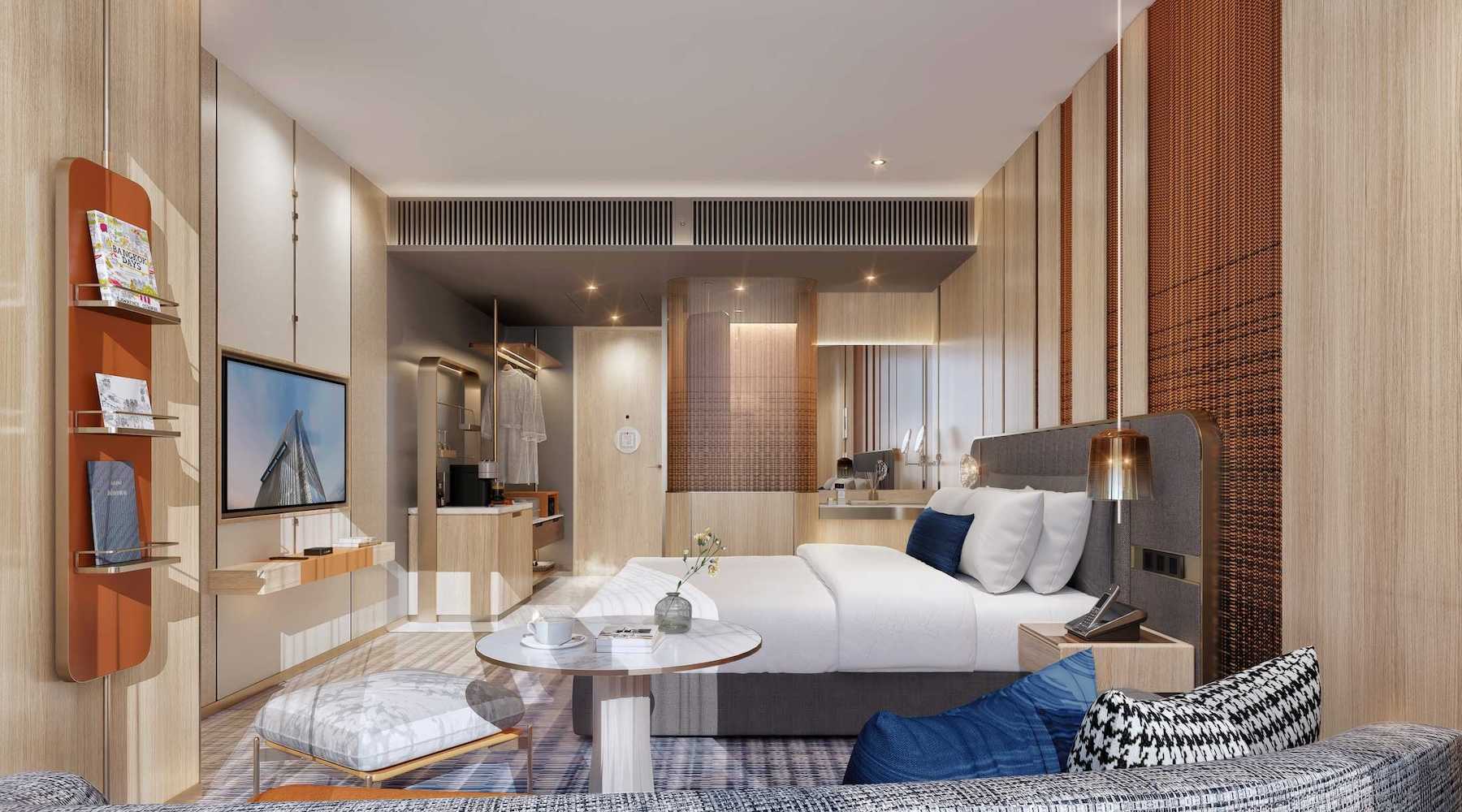
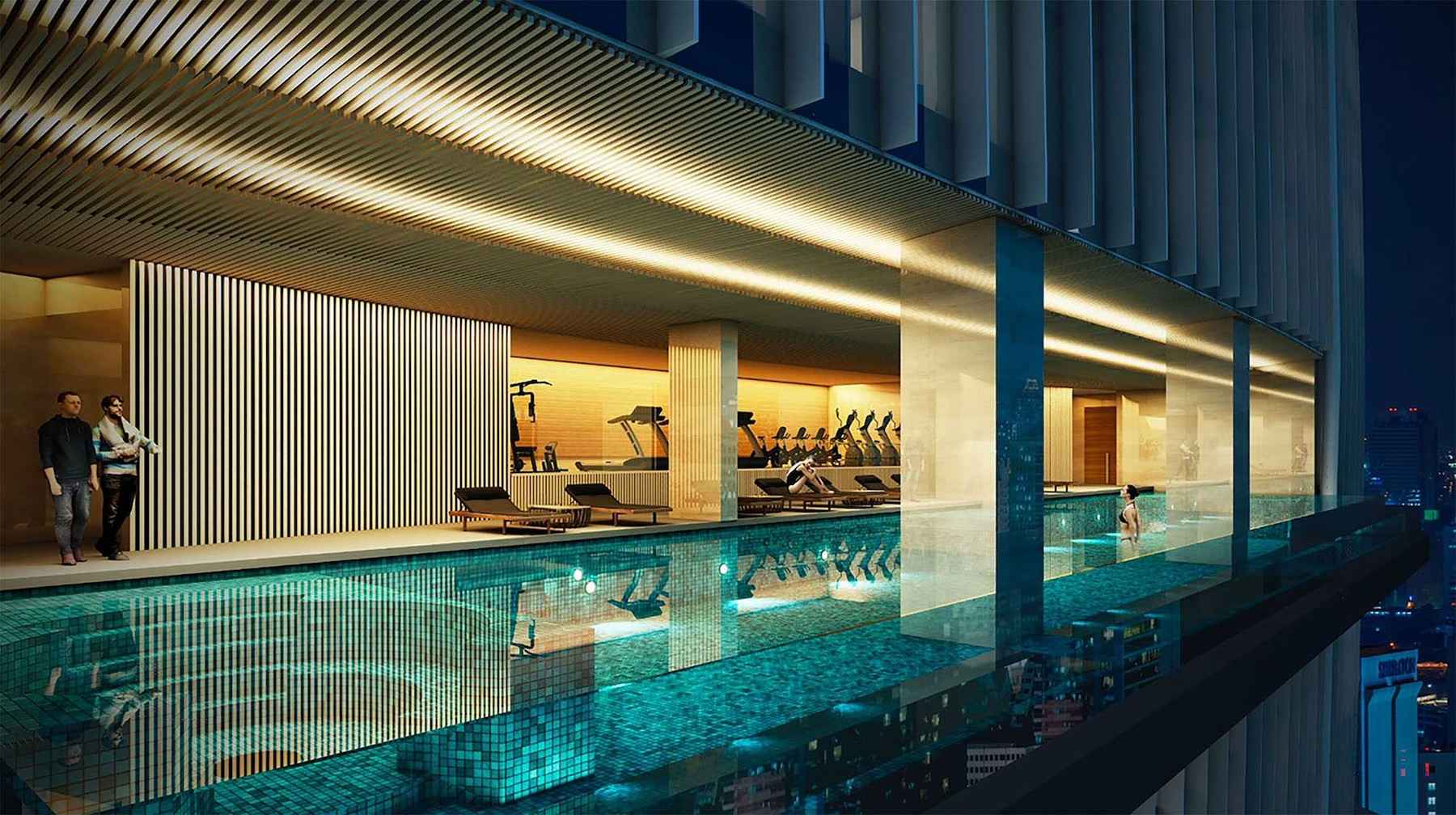
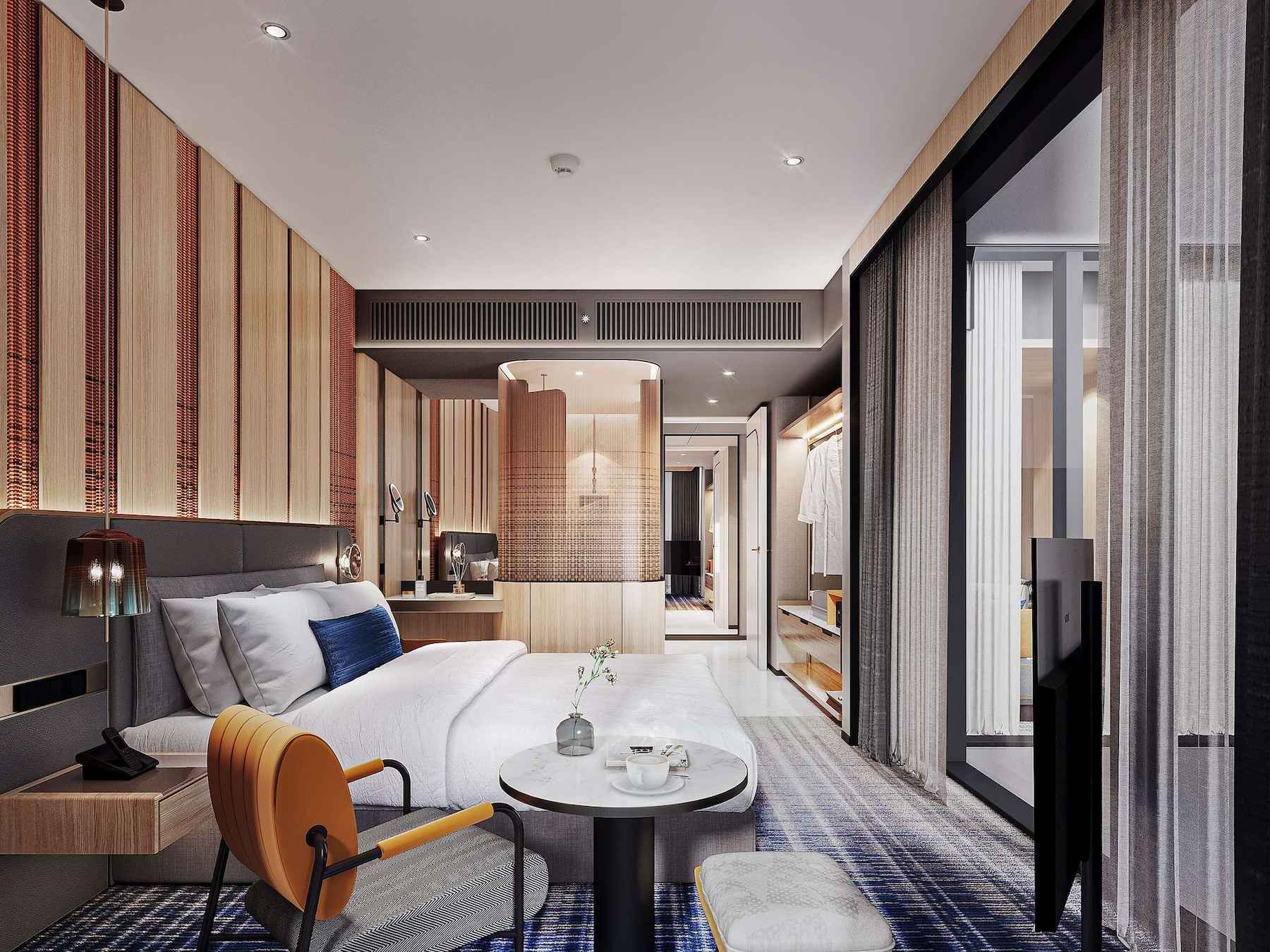
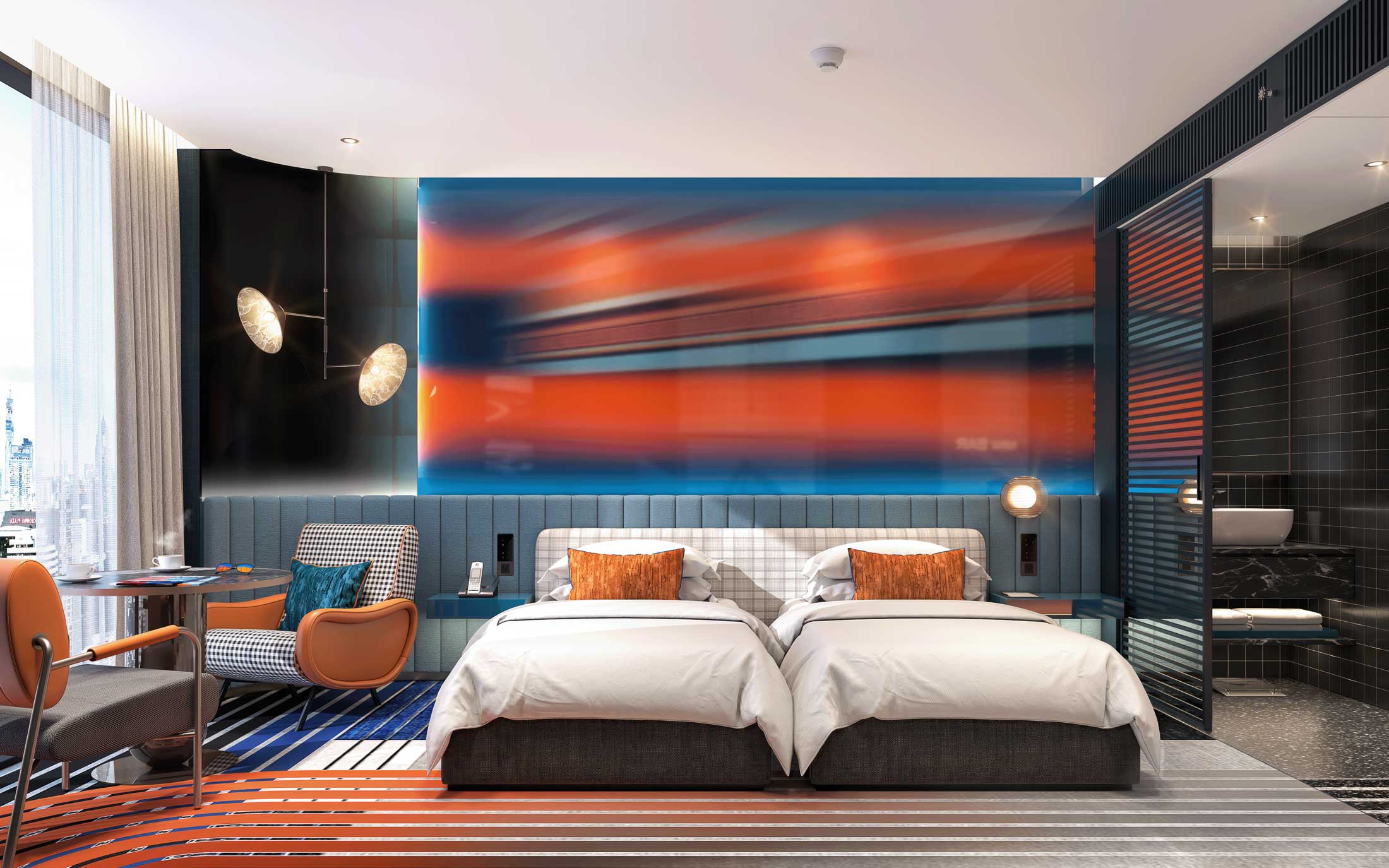
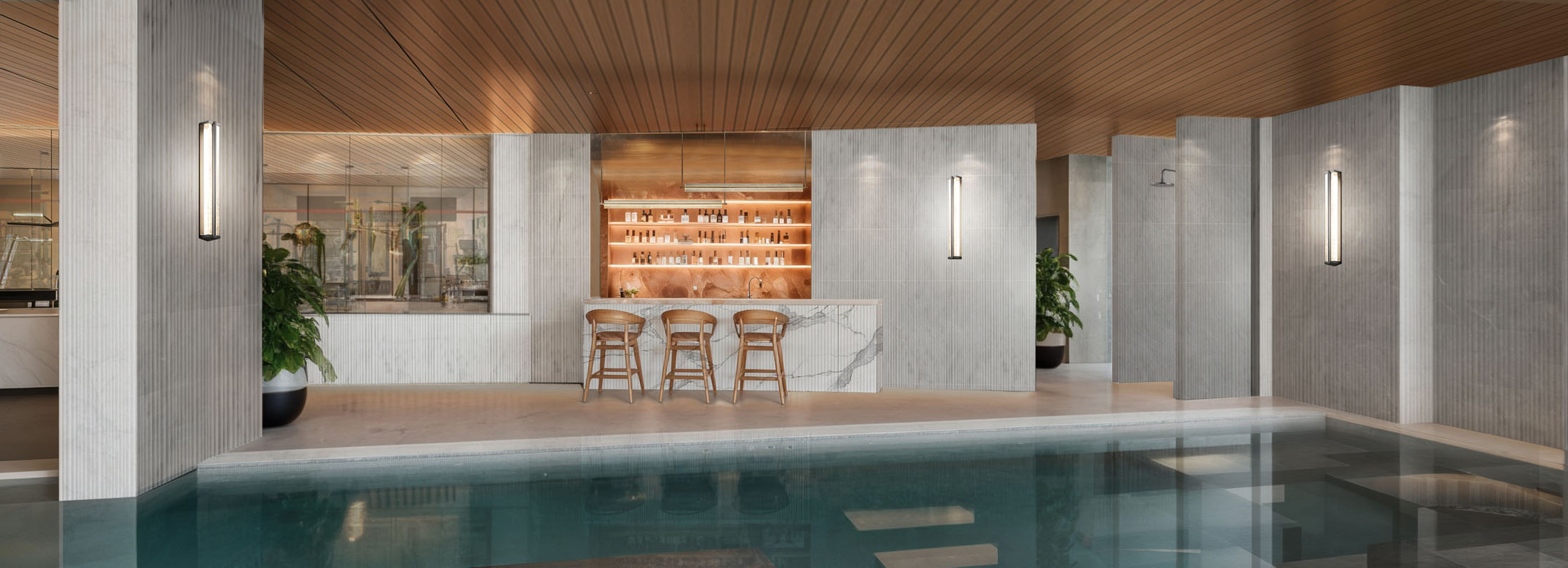
For a first visit, or any trip where you will be moving around the city daily, this combination is hard to beat. Mercure Bangkok Siam Ratchathewi sits at 199 Phaya Thai Road with direct access from Exit 4 of BTS Ratchathewi station.
Sukhumvit
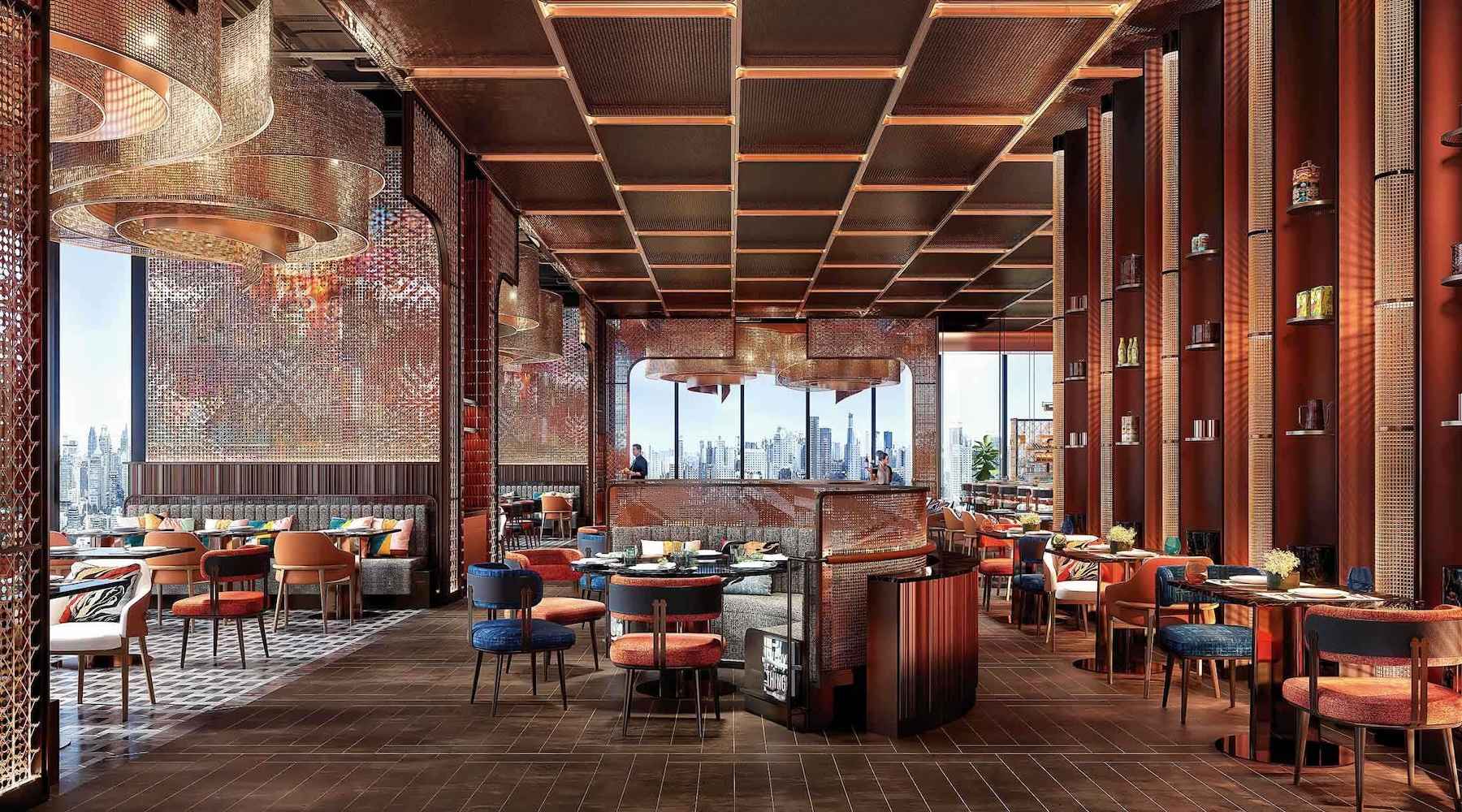
Sukhumvit runs east from the centre along the BTS line, through Asok, Phrom Phong and Thong Lor. It has the widest choice of international restaurants and bars in the city and a large resident expatriate population, which shapes the character.
It suits longer stays, repeat visitors and anyone whose evenings matter more than their sightseeing. The further east you go the quieter and more residential it becomes, and the longer it takes to reach the old city.
Silom and Sathorn
Silom is Bangkok’s financial district: busy on weekdays, noticeably quieter at weekends. It has good rail links on both the BTS Silom line and the MRT, and it is close to the river.
It suits business travellers whose meetings are in the area. For leisure, the trade-off is that much of it empties out when the offices close.
Riverside
The Chao Phraya riverside holds the grandest hotels in the city and some of the best views. The river boats are genuinely useful for reaching the Grand Palace and Wat Pho, and the setting is calmer than anywhere central.
The trade-off is connection. Most riverside properties sit some distance from a BTS station and rely on shuttle boats, which adds a step to every journey and stops running in the evening.
Old city and Rattanakosin
This is where the temples, the Grand Palace and the historic streets are. Staying here puts the main sights on your doorstep, and the atmosphere is unlike anywhere else in Bangkok.
It is also the area least served by rail. Journeys to the modern centre are slow, and if your trip includes shopping, dining or business, you will spend a lot of it in traffic.
Chatuchak and the north
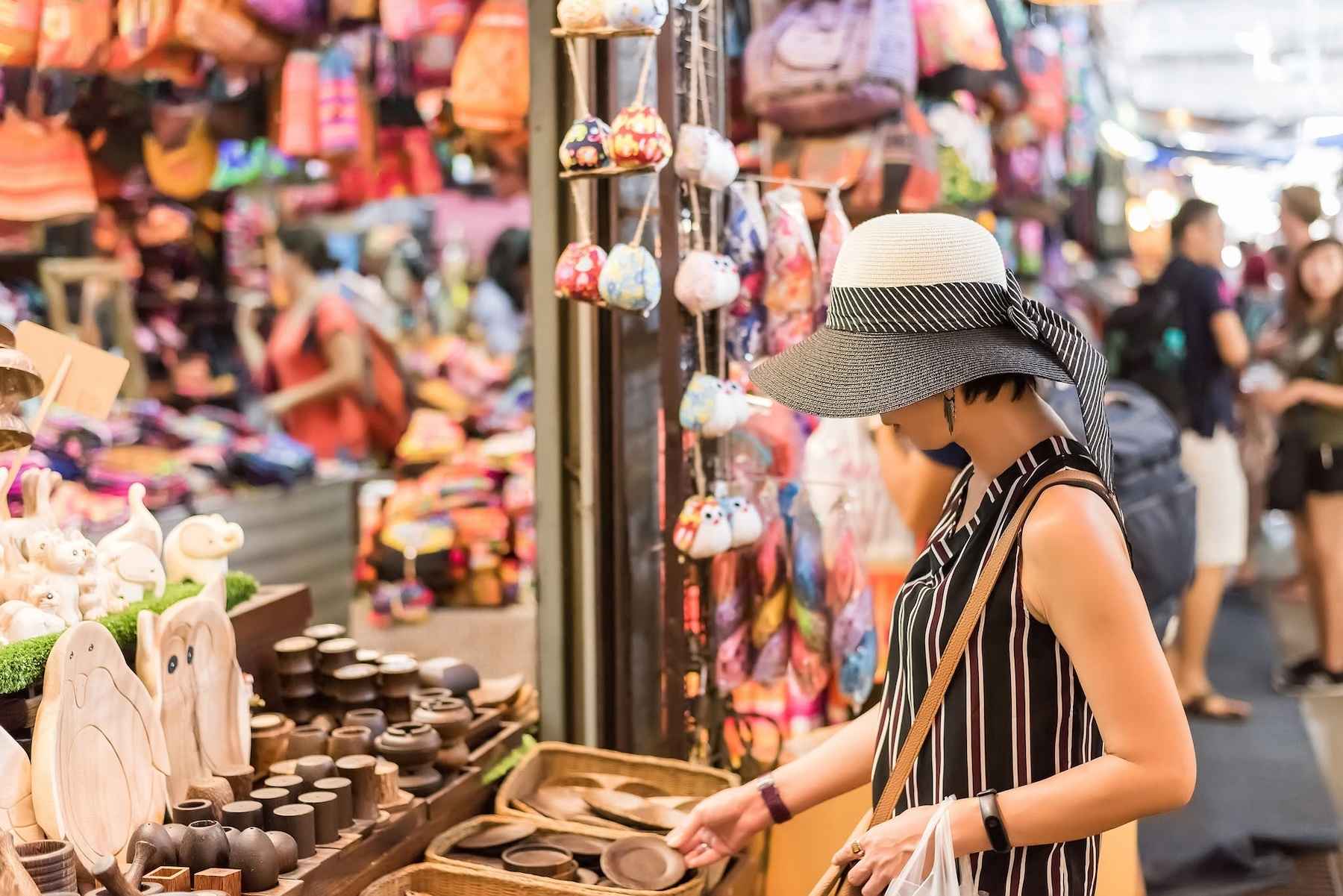
The area around Chatuchak Weekend Market is well connected by both BTS and MRT and cheaper than the centre. It suits anyone whose trip centres on the market or who is travelling onward by train from Bang Sue.
For general sightseeing it is further out than most visitors need.
How to choose
Three questions settle it for most people. How many days do you have, and how much moving around will you do? Is your trip about shopping and dining, sightseeing, or business? And are you arriving or leaving at an awkward hour?
Short trips with a full itinerary point to Siam or Ratchathewi, because the time saved on transport compounds across the days. Longer stays with slower evenings suit Sukhumvit. Business in the financial district points to Silom. Trips built around temples suit the old city, accepting the travel time.
Early flights point to anywhere on the Airport Rail Link corridor, which is a genuine advantage of the Phaya Thai and Ratchathewi area.
Getting around once you are here
The BTS and MRT cover most of what visitors need and run from early morning to midnight. Taxis are inexpensive but unpredictable at peak times. The Saen Saep canal boat is the fastest way east at rush hour if your hotel is near a pier. Walking is pleasant early and late, and hard work in the middle of the day.
If you would rather work through it by trip type than by district, our guide to the best area to stay in Bangkok covers shopping, dining, business, families and early flights separately.
Our own area is set out in detail on our where we are page, and rooms on our accommodation page.
FAQs about where to stay in Bangkok
Q: Which area of Bangkok is best for first-time visitors?
A: Siam or Ratchathewi. Both sit on the rail interchange, which keeps travel times short and predictable across a short trip with a full itinerary.
Q: Where should I stay for an early flight?
A: Anywhere on the Airport Rail Link corridor. Phaya Thai is the city terminus, and Ratchathewi is one BTS stop from it, putting Suvarnabhumi around thirty minutes away on rail.
Q: Is it better to stay near the river or near the BTS?
A: Near the BTS for most trips. The riverside is beautiful but most properties there need a shuttle boat to reach a station, which adds time to every journey.
Q: Which area is best for shopping?
A: Siam and Ratchaprasong. Siam Paragon, Siam Center, MBK and centralwOrld sit within a few BTS stops, and Pratunam Market is walkable from Ratchathewi.
Q: Where should I stay to visit the Grand Palace and temples?
A: The old city is closest, but it has no BTS. Many visitors stay centrally and travel in by boat or taxi, which keeps the rest of the trip easier.