
 ไทย

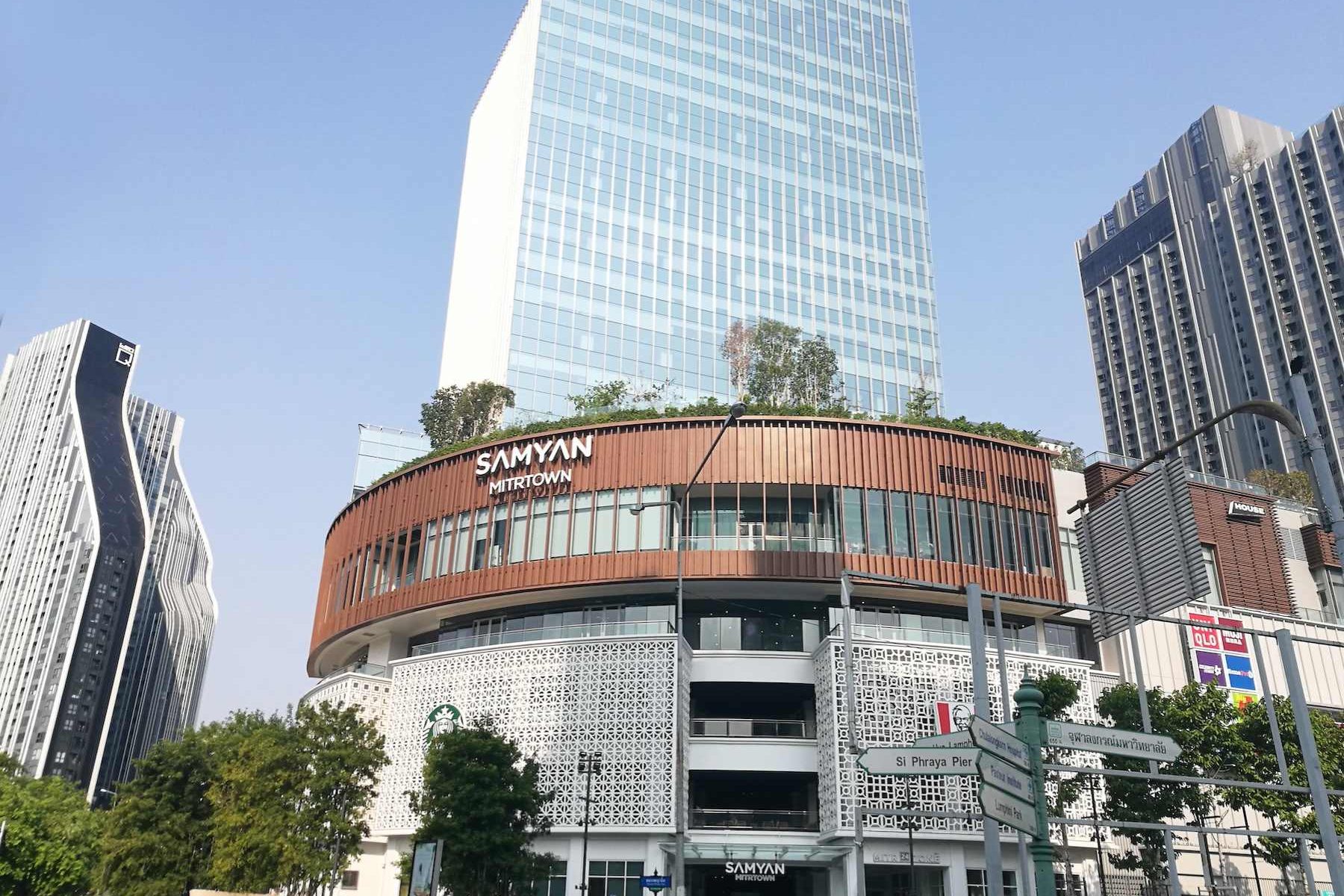
Samyan
Samyan is the stretch of Bangkok between Chulalongkorn University and the edge of Chinatown, and it has changed more in the past decade than almost any other central district. The old market and the student shophouses are still there, now sitting alongside Samyan Mitrtown and a cluster of cafes and co-working spaces. For guests at Mercure Bangkok Siam Ratchathewi it is close enough to walk to from Siam and quiet enough to feel like a different city.
Getting to Samyan from the hotel
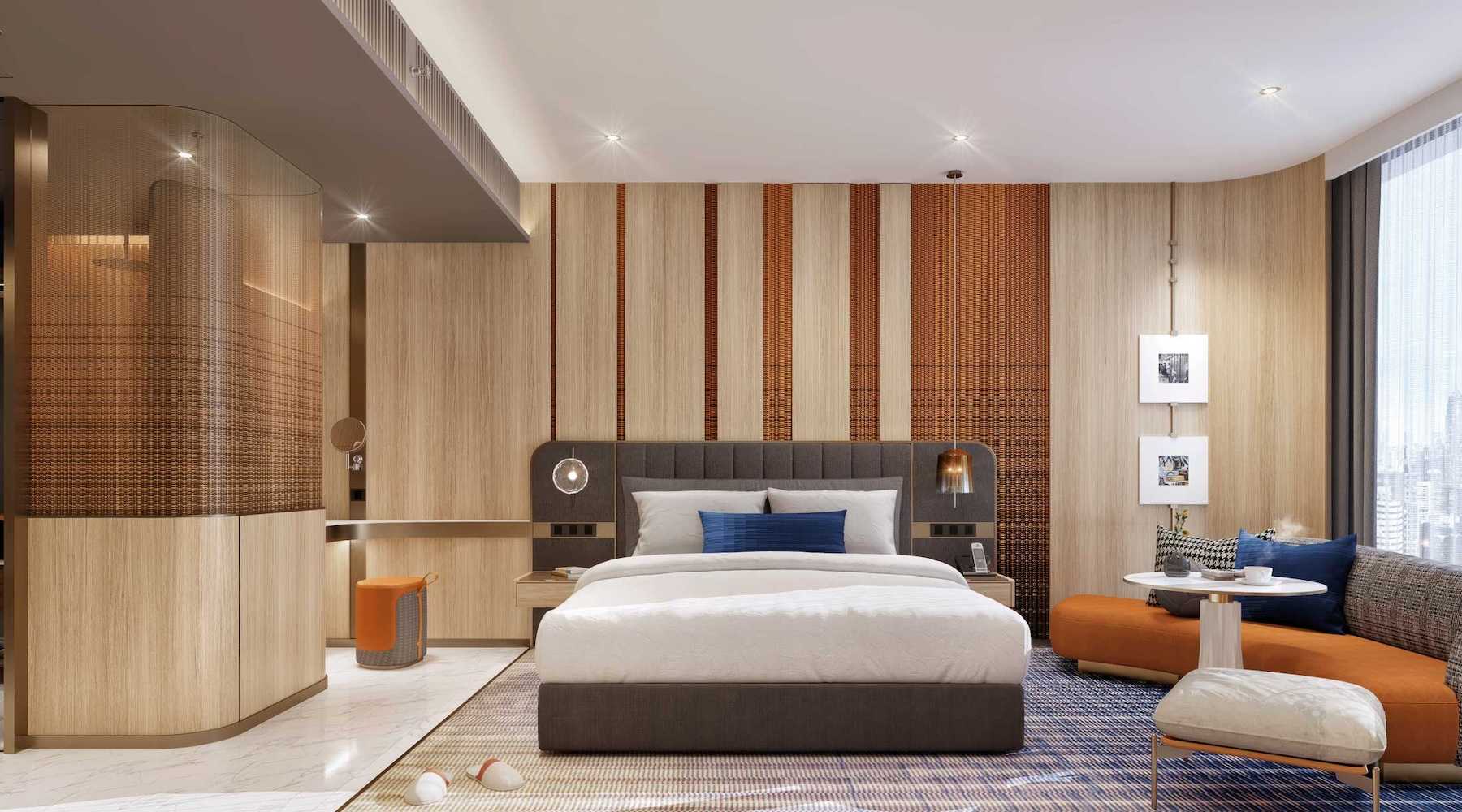
The simplest route is BTS from Ratchathewi to Siam, then MRT from Sam Yan station, which requires a short walk between the two systems at Siam. Alternatively, walk south through Siam Square and across the Chulalongkorn campus, which takes around twenty-five minutes from Siam and is pleasant in the early evening.
Taxis take roughly fifteen minutes outside peak hours. Our article on planning around the rail network covers guests at a hotel near the BTS Skytrain.
Samyan Mitrtown
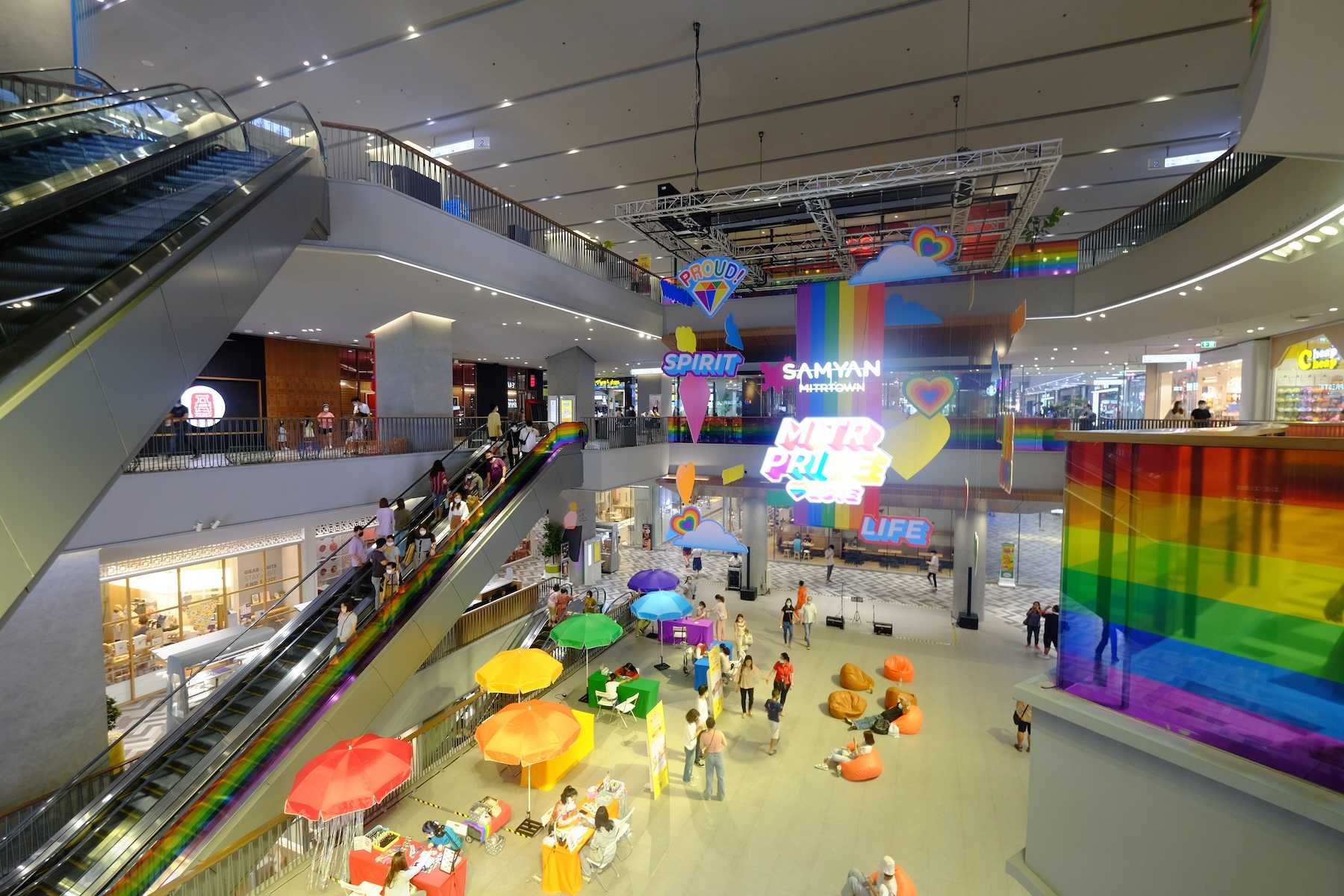
The development that reshaped the district. Samyan Mitrtown holds shops, restaurants, a cinema and a large food hall, but its distinguishing feature is the 24-hour zone, where a section of the building including a bookshop, several eateries and a co-working area stays open around the clock.
That matters for travellers more than it sounds. Guests arriving on a night flight, or awake at four in the morning in the first days of a long-haul trip, have somewhere to go that is neither a convenience store nor a bar.
Samyan Market
The fresh market remains the heart of the area for residents. It runs through the morning with produce, seafood, prepared food and flowers, and the cooked food section is where to eat if you want the district as locals use it rather than as it is presented.
Arrive before ten for the best of it. Prices are market prices, and almost everything is cash only.
Chulalongkorn and the student quarter
Thailand’s oldest university sits immediately north, and its presence sets the tone for the whole district. The campus is open to walk through, with wide lawns and shaded paths that make an unusually calm route between Siam and Samyan.
The sois around it carry student prices, which means some of the best value eating in central Bangkok. Food is busiest between noon and two, and again in the early evening.
Eating in Samyan
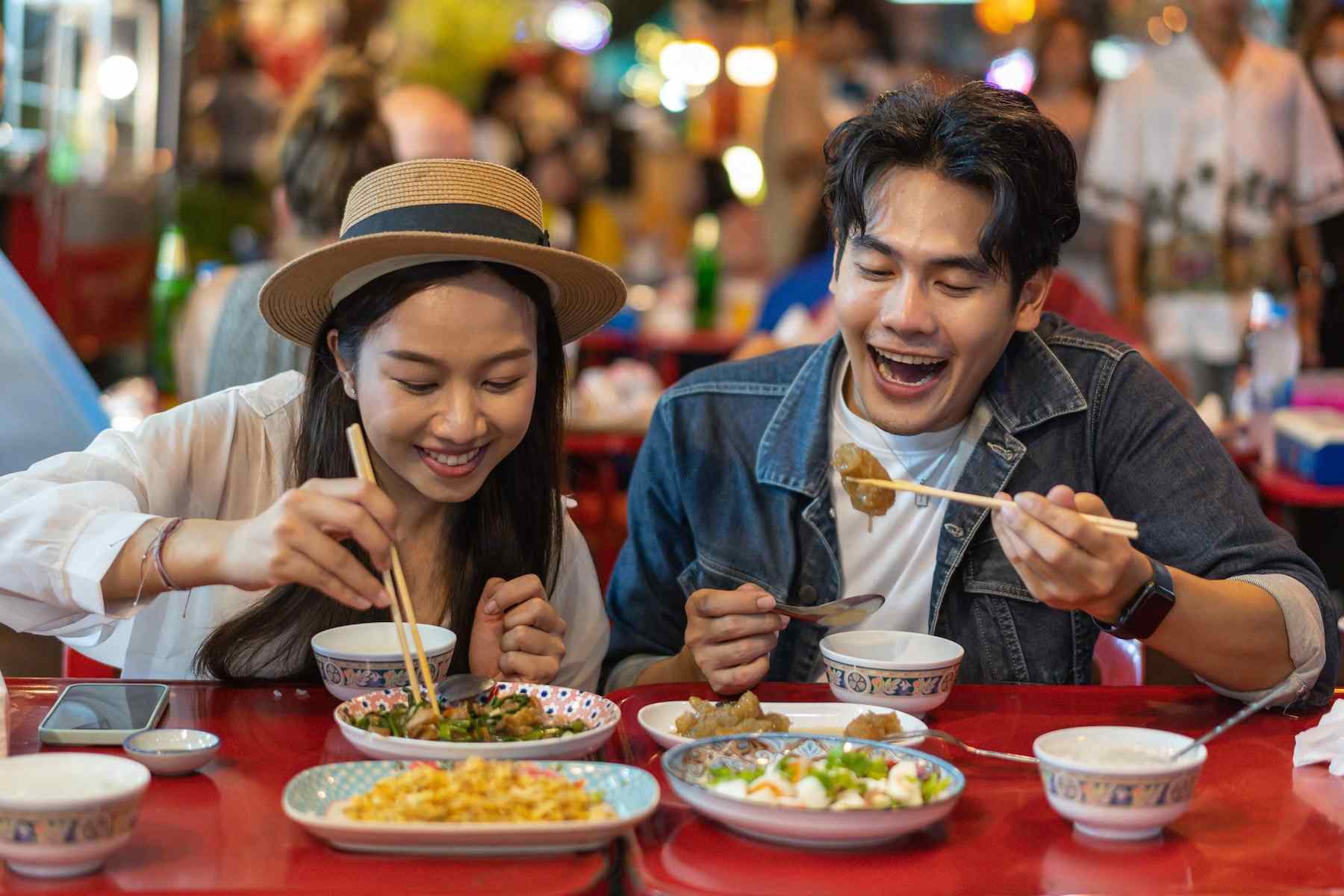
The range runs from market stalls to long-standing noodle and rice shops to the restaurants inside Mitrtown. Chinese-Thai cooking is strong here given the proximity to Chinatown, and seafood is a particular feature given the market.
Prices across the district are noticeably lower than the Siam malls one BTS stop north, which makes Samyan a sensible dinner option after a day spent shopping.
Cafes and working from the district
Samyan has become one of the better parts of Bangkok for anyone needing to work for a few hours. The university crowd supports a dense cluster of independent cafes with reliable Wi-Fi and power points, and Mitrtown’s co-working area is open through the night.
It is a practical alternative to working from a hotel room on a longer stay, and far cheaper than a day pass elsewhere in the city.
Connecting onwards
Sam Yan is on the MRT Blue Line, which makes Samyan a useful hinge point. Two stops south-west reaches Hua Lamphong and the edge of Chinatown; the line also runs north towards Chatuchak. For guests who want Yaowarat in the evening, starting from Samyan avoids the longer route through Silom.
The wider neighbourhood is covered in our things to do guide, and the district around the hotel in our article on choosing a hotel in Ratchathewi.
When to go
Morning for the market, afternoon for the campus and cafes, evening for food and Mitrtown. The one time to avoid is the middle of the day in hot season, when the walk from Siam is unpleasant and the market has wound down.
Rooms for guests planning long days out are set out on our accommodation page.
Wat Hua Lamphong and the older streets
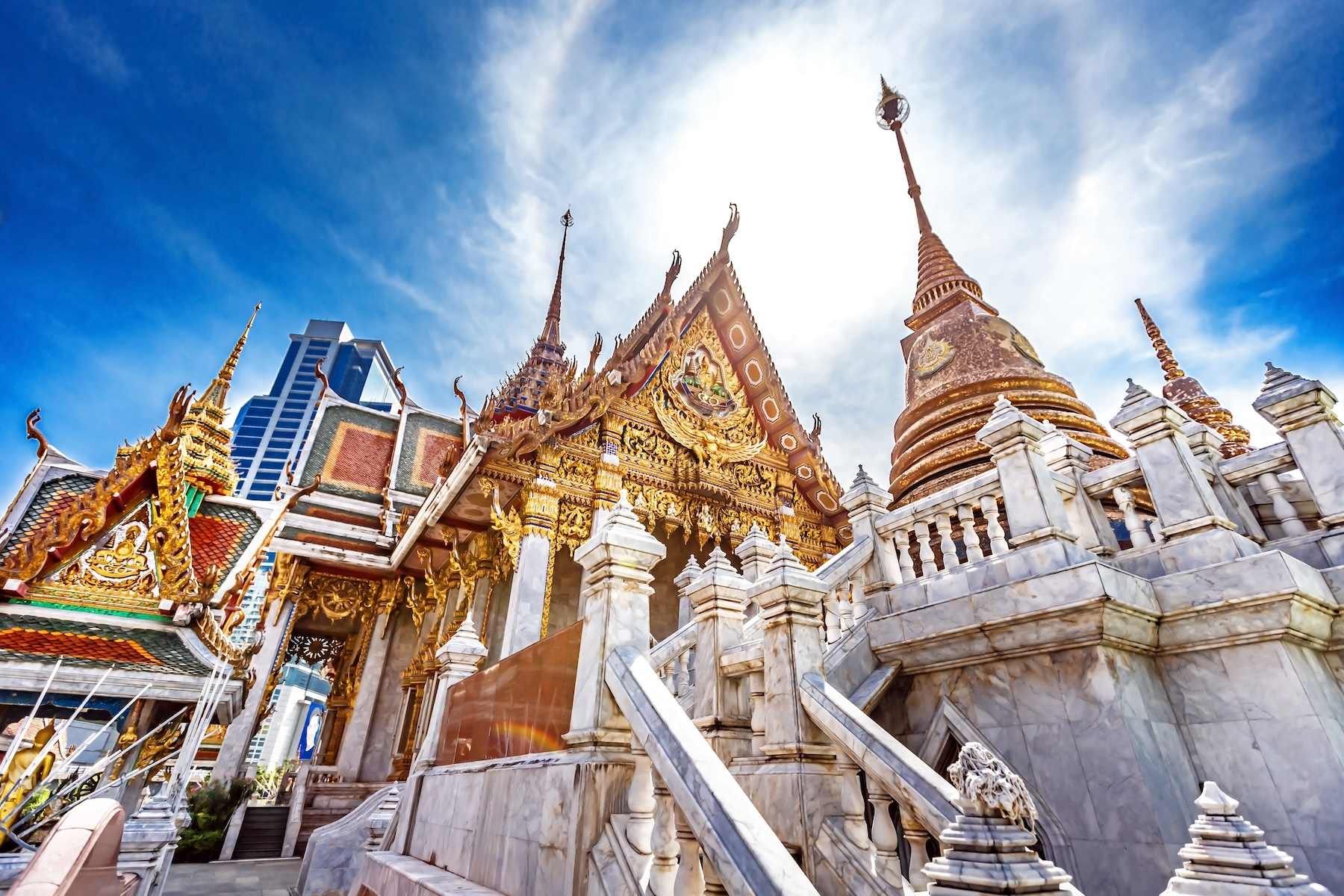
On Rama IV Road at the edge of the district, Wat Hua Lamphong is a working temple best known for its coffin donation merit-making, where visitors contribute towards funerals for the unclaimed. It is busy with locals rather than tourists and is open through the day. The streets immediately around it still carry rows of old shophouses, printing works and hardware traders that the redevelopment has not reached, and they give a clearer sense of what the whole area looked like twenty years ago.
Where Samyan fits in a trip
Few visitors plan a day around Samyan, and it works better as a half day joined to something else. The natural pairing is a morning at the market, a walk through the campus, then onwards to Chinatown in the evening by MRT. Guests who have already done Siam and the river tend to find it the most rewarding of the remaining central districts, precisely because it is not organised around visitors.
FAQs about Samyan
Q: How do I get to Samyan from Ratchathewi?
A: Take the BTS to Siam and change to the MRT at Sam Yan, or walk south through Siam Square and the Chulalongkorn campus in about twenty-five minutes from Siam.
Q: Which MRT station serves Samyan?
A: Sam Yan on the Blue Line, which exits beside Samyan Mitrtown.
Q: Is Samyan Mitrtown open 24 hours?
A: Part of it is. A designated 24-hour zone including a bookshop, eateries and a co-working area stays open through the night, while the main retail floors keep standard mall hours.
Q: What is Samyan known for?
A: The fresh market, student food around Chulalongkorn University, and Samyan Mitrtown with its all-night section.
Q: Is Samyan good for cheap food?
A: Yes. The student population keeps prices well below the Siam malls one stop north, particularly at the market and in the surrounding sois.

